Tooth Extractions In Redmond, WA
Is it time to take a look at your wisdom teeth or have a decayed or damaged tooth pulled? At Redmond Art of Dentistry, Dr. Bickel and his team work hard to protect your smile no matter what life brings your way. When tooth extraction is absolutely necessary, we ensure that your oral health and comfort are supported using the best methods of care available. Give us a call to schedule a consultation at your local dentist in Redmond, WA!
Reasons To Extract A Tooth
- Prevent a crowded smile when your jaw supports too many teeth
- Remove disruptive wisdom teeth that can crowd or misalign the smile, or impacted teeth that are “stuck” below the gum line
- Remove an unsalvageable tooth after significant tooth decay or damage
- Reduce risks of developing gum disease, infection, or inflammation in the mouth, or remove loose or weakened teeth after periodontitis, age, or dental trauma

Do I Need To Have A Tooth Pulled?
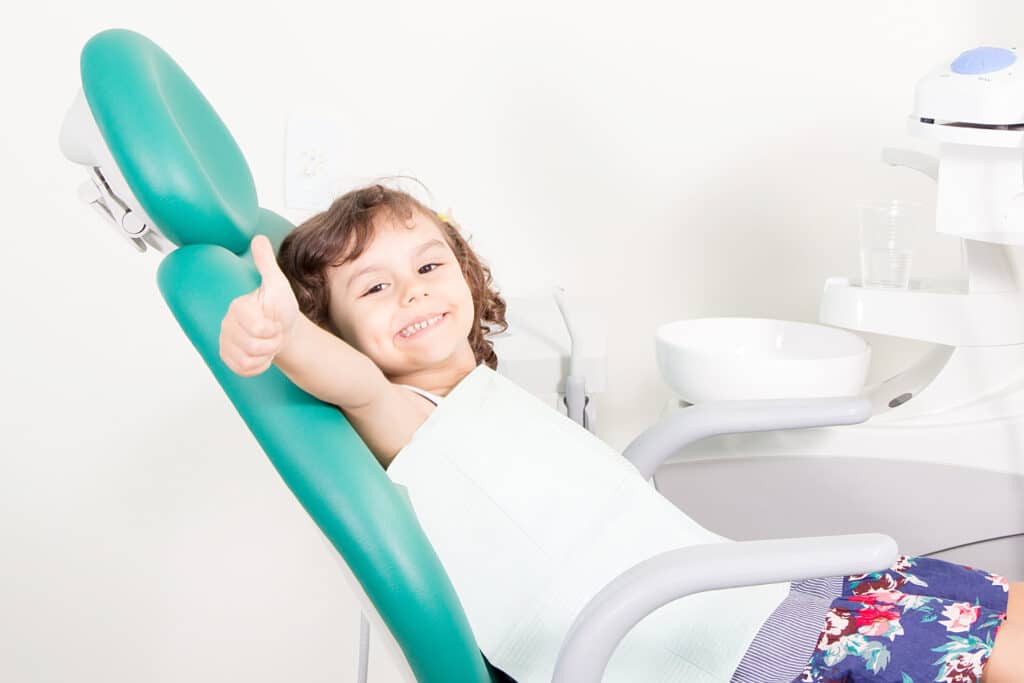
Rest assured, it is our philosophy to do everything we can before having to pull a tooth. If you have a chronic toothache, chipped tooth, or suffered from tooth decay, a simple cavity filling, dental bonding or root canal may be enough to restore your smile.
Wisdom Tooth Extraction
Between the ages of 17 to 25 you’re likely to encounter the growth of between 1 to 4 wisdom teeth on average. Dr. Bickel has treated countless patients with wisdom teeth removal and knows the difference between teeth that have to be extracted and those that can rest comfortably in the mouth. By carefully monitoring your dental health he is able to track the progress of your wisdom teeth, letting you know how many wisdom teeth you have, whether they will have to be extracted, and what to expect with wisdom tooth extraction even before they emerge through the gums.

Does Tooth Extraction Hurt?
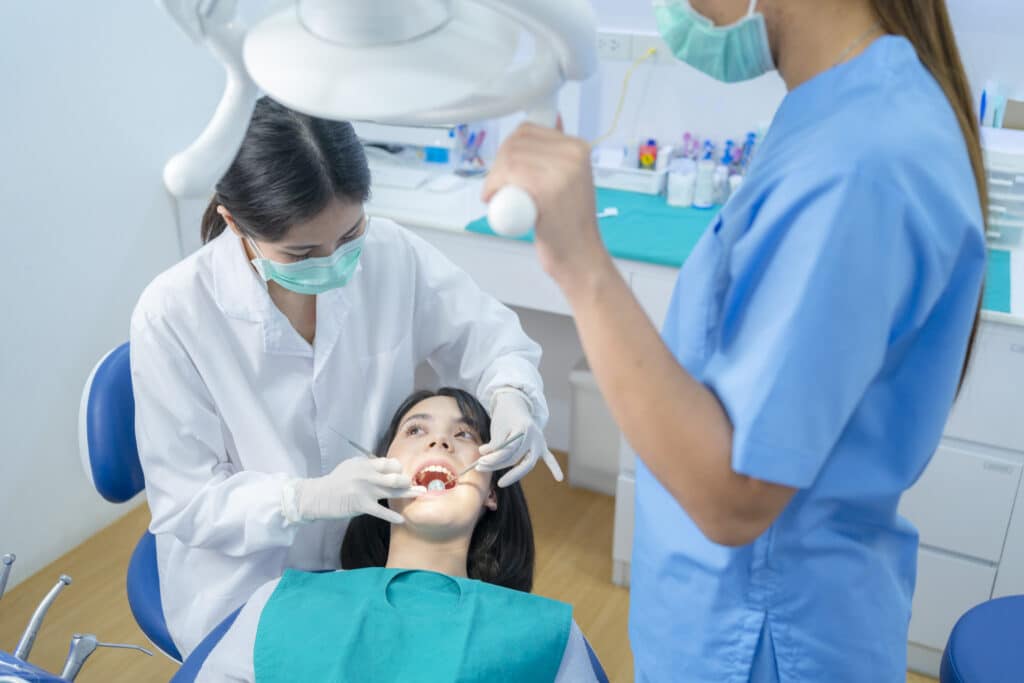
It’s not uncommon to feel a little nervous at the dentist when it’s time for a tooth extraction. However, patients can rest assured knowing their health is in the comforting hands of your professional dentist, whose ultimate goal is optimal dental care and comfort.
When Are Tooth Extractions Recommended?
Tooth extractions may be recommended for a variety of different reasons. One of the most common reasons is the improper eruption of wisdom teeth. Tooth extractions may also be necessary when a tooth has been irreparably damaged by chronic oral health issues such as gum disease, cavities, or a tooth infection. Tooth damage caused by dental trauma may also require extraction if the tooth can’t be restored.
Finally, tooth extractions may sometimes be needed to prepare for another dental procedure. For example, some orthodontic patients may need a tooth or two to be extracted while they get braces, or a patient who is getting a set of dentures may need to have their remaining teeth pulled.
Dr. Bickel practices conservative dentistry at Redmond Art of Dentistry. This means that we will not recommend an extraction unless it’s the only option to restore your oral health, relieve your pain, and prevent further complications. However, if an extraction is required, we will ensure you get the fast, gentle, pain-free treatment you need.


Bone Grafting
For smiles with problem joints or damaged bones, bone grafting is an effective means of restoring the smile. A bone grafting treatment is a surgical procedure where bone tissue is transplanted into the body to restore areas of damage or trauma, or to inspire bone growth around an implanted device such as a dental implant. Bone grafting may be recommended to provide structural stability to surrounding areas in the jaw or mouth, or to fill a void where bone tissue is missing. After bone grafting to repair a dental trauma, or dental injury or to secure a dental implant, patients can benefit from a healthier, stronger, and better-supported standard of dental health.
How Long Will It Take The Gum To Heal?
In total, it will usually take about 2 weeks for your gum to fully heal. For the first few days after your surgery, the area will likely bleed, and it may also be swollen, bruised, and discolored. This is normal.
After a week or so, the sutures used to stitch up your extraction site will start to dissolve as your gums heal. Or, if non-dissolvable sutures have been used, they’ll be removed by Dr. Bickel. You should feel much less gum tenderness and pain at this time.
Two weeks after your surgery, the gums should look and feel almost completely normal. The gum tissue over your extraction site may still be tender if you put pressure on it, but it should not be causing you any significant pain or discomfort at all.

Your Family Dentist In Redmond, WA
Do you have questions about your dental health? At Redmond Art of Dentistry, Dr. Bickel understands the importance of keeping patients informed and involved in their oral health. By keeping you in the know about what to expect with incoming wisdom teeth or a tooth that has to be removed, it is easy to plan for incoming wisdom teeth, tooth removal, and even the addition of orthodontic dentistry if necessary.
FAQ's
Tooth extraction recovery times can vary depending on several factors, including the complexity of the extraction, your overall health, and how well you adhere to post-operative care instructions. Generally, the initial healing period takes about one to two weeks. During this time, your body works diligently to close the socket and form a blood clot, which is crucial for healing.
Swelling and discomfort are normal in the first few days, but they should gradually subside. It’s important to follow your dentist’s advice, such as keeping the extraction site clean, avoiding strenuous activities, and taking prescribed medications. If you’re a smoker, try to refrain from smoking, as it can impede healing. Remember, patience is key. Your body is doing its best to heal, and with proper care, you’ll be back to your normal routine before you know it!
After the procedure, it’s essential to give your mouth some time to rest. Typically, you should wait at least a couple of hours before eating anything. This also ensures that your numbing wears off so that you don’t accidentally bite or chew your lips, tongue, or cheeks while eating.
Your dentist will likely recommend sticking to soft foods for the first 24 hours to avoid irritating the extraction site. Think yogurt, applesauce, mashed potatoes ,and other foods that require minimal chewing and are gentle on your mouth.
As the days pass and you feel more comfortable, you can gradually reintroduce more solid foods. However, it’s wise to avoid hard, crunchy, or sticky foods that could disrupt the healing process or dislodge the blood clot for at least 3-4 weeks. Remember, the key is to listen to your body. If something feels uncomfortable or painful, it’s best to hold off a bit longer. Your mouth will thank you for being patient!
Yes, you can brush your teeth after a tooth extraction, but with a few precautions. Oral hygiene is crucial, even during the healing process, to prevent infection and promote recovery. You should avoid brushing entirely for at least 24 hours, and use a prescription mouth rinse or salt water rinse to gently clean your mouth.
From the second day onward, you can resume brushing other teeth, but do so gently around the extraction site. After about a week, you can start brushing the extraction site very gently along with your other teeth. Great oral hygiene will aid in a smooth recovery and help you maintain your oral health after a tooth extraction, too!
Vaping after a tooth extraction is not recommended, especially in the first few days. The act of vaping, much like smoking, involves lots of suction. This can dislodge the blood clot that forms in the extraction site, leading to a painful condition known as dry socket. Additionally, the nicotine and other chemicals in vape products can irritate the healing tissues and delay recovery.
Dentists typically advise waiting at least 48 to 72 hours before considering vaping, but it’s best to extend this period if possible. The longer you can avoid vaping, the better it will be for your healing process.
If you’re finding it challenging to abstain from your typical vaping habit, consider speaking with your dentist or healthcare provider for support and strategies to make this temporary change more manageable, or for guidance on how to quit vaping and using nicotine products permanently.